

Our team has noticed a sharp increase in fake listings, making rental application scams texas a major threat for budget-conscious home seekers. The pressure to find an affordable place often forces people to rush decisions.
That urgency is exactly what these fraudsters exploit. From what our analysts have seen, these schemes thrive on long waiting lists and artificial deadlines.
The Federal Trade Commission reported nearly 65,000 rental frauds recently, costing victims around $65 million. This guide breaks down the most common warning signs, how to check a listing, and where to report these crimes. It also explains what our apartment research service will and won’t ever ask you for.
Our promise
We never ask for your Social Security number, bank account numbers, ID documents, income-verification uploads, or any payment as part of a research request.
Why Housing Scams Target Renters on a Budget
Scammers target budget-conscious applicants because high demand creates desperation. People seeking affordable housing often face long waiting lists and urgent deadlines.
These high-pressure situations make unbelievable deals incredibly hard to pass up. Our analysts regularly track these deceptive tactics across major Texas markets.
Fraudsters frequently rely on a few common strategies to trap eager applicants:
- Stolen identities: Using real agent names to build false credibility.
- Phantom listings: Creating ads for properties that do not exist.
- Hijacked advertisements: Stealing photos from legitimate “For Sale” listings.
Recent surveys from Apartment List show that Dallas-Fort Worth renters are highly targeted. Nearly 11 percent of DFW renters reported losing money to fraudulent listings, which is double the national average.
The financial toll of these schemes is staggering. The Federal Trade Commission logged roughly $65 million in reported losses from housing fraud since 2020.
A scammer asking for a first-month deposit can easily steal thousands of dollars before anyone realizes the property was fake. You must pause and verify details before rushing into an agreement.
Apartment Scams Red Flags to Watch For
The biggest apartment scams red flags include requests for untraceable payments, guaranteed approvals, and landlords who refuse to meet in person. You should immediately walk away if an owner demands money before you tour the unit.
A legitimate property manager will always let you confirm the unit exists before accepting a deposit. Our investigators constantly see victims lose funds instantly through peer-to-peer apps.
You’re asked to pay before you see the unit
A legitimate property lets you tour, or at least confirm the unit exists, before you send a deposit. You should immediately walk away if an owner demands money upfront.
Payment by wire transfer, gift card, cryptocurrency, or payment app to a person
Properties typically accept payment through official channels. Requests for gift cards, cryptocurrency, or direct wires to an individual through apps like Zelle or CashApp are major warning signs.
“Guaranteed approval”
No legitimate property can promise approval before reviewing your application. Every property screens applicants under its own criteria. You should ignore any listing that claims your credit score or background check will not matter.
A fee to join a waiting list or “hold your spot”
Some programs and properties have legitimate application processes. You must be very careful with unexpected fees to get on a list or “hold your spot.” Confirm these charges through official contacts before paying anything.
The “owner” is out of town and can’t meet
A common story is that the owner moved away and will mail the keys after you pay. The Texas Real Estate Commission warns that this seller impersonation fraud is rampant. The fake owner will communicate exclusively via text and refuse any video calls.
Rent far below similar units nearby
Low prices draw people in. Rent prices set 40 percent below the local market average are a classic trap to create false urgency. If the rent seems unbelievable, check carefully.
Pressure to act today
Urgency is a tactical manipulation. A real leasing office will usually give you time to confirm details.
Requests for sensitive information early
Be wary of anyone asking for your Social Security number or bank logins by text or social media before you’ve confirmed the property is real. Fraudsters use these early screening requests to steal identities or sell your data on the dark web.
How to Verify a Property
You verify a property by cross-referencing public records, checking state licensing databases, and confirming details directly with the official leasing office. A few minutes of research can save you thousands of dollars.
Our team relies on these exact verification steps to protect clients from fraudulent listings.
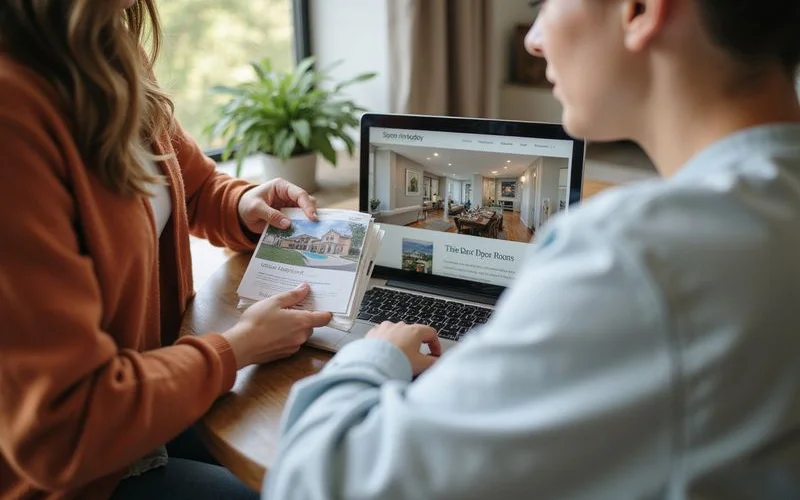
- Search the County Appraisal District (CAD). Visit the local CAD website, like the Dallas or Travis County CAD, to look up the property address. Ensure the listed property owner matches the person claiming to rent it out.
- Run a reverse image search. Upload the listing photos to Google Reverse Image Search. Fraudsters regularly steal photos from active “For Sale” listings on sites like HAR.com or Zillow to create phantom rentals.
- Verify professional licenses. If you are working with a real estate agent or locator in Texas, look up their name on the Texas Real Estate Commission (TREC) database. Licensed professionals have public, verifiable credentials.
- Find the official website yourself. Search the property name instead of using a link someone sent you.
- Call the leasing office using the number on that website. Ask whether the unit and rent you were quoted are real.
- Check the address. Make sure the building exists and matches the listing photos.
- Ask for the written rental selection criteria and fee list. Legitimate properties have them. Standard Texas Association of Realtors lease agreements use professional formatting.
- Pay only through official channels. Get a receipt for every payment.
Your apartment list includes each community’s official website and leasing contact, which gives you a verified starting point. Even so, confirm details directly before you pay. You cannot afford to skip this final verification step.
Comparing Real and Suspicious Requests
Real requests follow standardized corporate procedures, while suspicious requests rely on informal communication and untraceable personal payments. You can usually spot a scammer by how they ask for your money and data.
We created this quick reference guide to help you distinguish normal leasing procedures from deceptive traps.
| Situation | Usually legitimate | Warning sign |
|---|---|---|
| Application fee | Paid to the property through its official process, with a written policy | Paid to a person by gift card, wire, or payment app like Zelle |
| Personal information | Requested on the property’s official application | Requested by text or a random $1 credit check link over social media before you’ve toured |
| Approval | Decided after thorough screening | Guaranteed before you apply |
| Waiting list | Explained in writing by the property or housing authority | A fake waiting list fee scam requiring cash to “move up” or “hold a spot” |
Standard lease agreements in Texas use professional formatting. Scammers often provide poorly written contracts filled with unusual legal jargon. Always review the paperwork carefully before signing.
Protecting Yourself During Your Search
Protect yourself by keeping detailed records, refusing to move communications off official platforms, and knowing exactly what legitimate agents will request. Fraudsters try to move conversations away from listing sites and into personal text messages to avoid fraud detection filters.
You must keep all communication on the official platform until you verify the property. Our team advises clients to document every interaction.

Keep a record of who you talked to and when. Save emails and screenshots of listings. Before you pay any fee, review what to ask before paying a fee, including whether it’s refundable.
It also helps to know exactly what we ask for in a request. If someone claiming to be from Income Based Apartments asks for anything different, like a payment or your Social Security number, don’t respond.
Scammers collect sensitive documents like passport copies and bank statements to sell on the dark web. Email texas@incomebasedapartments.com to check the validity of any suspicious interaction.
Where to Report Rental Application Scams Texas
You can report real estate fraud to the Texas Attorney General, the Federal Trade Commission, and local law enforcement agencies. Reporting the incident quickly can help authorities freeze illicit transactions and track down the perpetrators.
We strongly advise victims to file formal complaints immediately. If you see or experience a rental scam, contact these organizations:
- Federal Trade Commission (FTC): ReportFraud.ftc.gov
- FBI Internet Crime Complaint Center (IC3): File a claim at IC3.gov to help federal agents track online financial fraud.
- Texas Attorney General, Consumer Protection Division: file a complaint through the Attorney General’s website.
- Your bank or card issuer: if you sent money, contact them right away.
- Local police: especially if you lost money or your identity may be at risk.
- The real property: if someone used a legitimate community’s name, let the leasing office know.
Reporting helps protect other renters, even if the money can’t be recovered.
Reporting these crimes helps eliminate rental application scams texas, protecting others from financial ruin.
Stay alert, rely on verified facts, and always double-check before you pay. Reach out to our team if you need safe, verified apartment research assistance.