

Rent Limits in Plain Language
Every restricted unit in a tax credit community has a maximum rent. It’s one of the main benefits of tax credit apartments in Texas. Understanding how that cap is set helps you read rent figures, compare communities, and plan your budget.
We don’t publish city rent averages. Rents depend on the property, the unit size, the income tier, and the date. Instead, this guide explains the rules behind the numbers.
What Sets the Maximum Rent?
Three things drive the rent cap for a tax credit unit:
- The unit’s income tier. Units are set aside at a percentage of Area Median Income, often 50% or 60%. A 50% unit has a lower rent cap than a 60% unit. Read more about AMI tiers.
- The unit size. The cap uses an assumed household size based on the number of bedrooms, not the number of people who actually live there.
- The area and year. Limits are published for each metro area, generally once a year.
In general terms, the maximum gross rent is set at 30% of the income limit for the assumed household size and tier. That’s why two households with different incomes can pay the same rent for the same unit.
Rent is restricted, not income-based
The cap comes from program limits, not your paycheck. Unless you have rental assistance, your rent usually won’t change if your income does.
The Utility Allowance
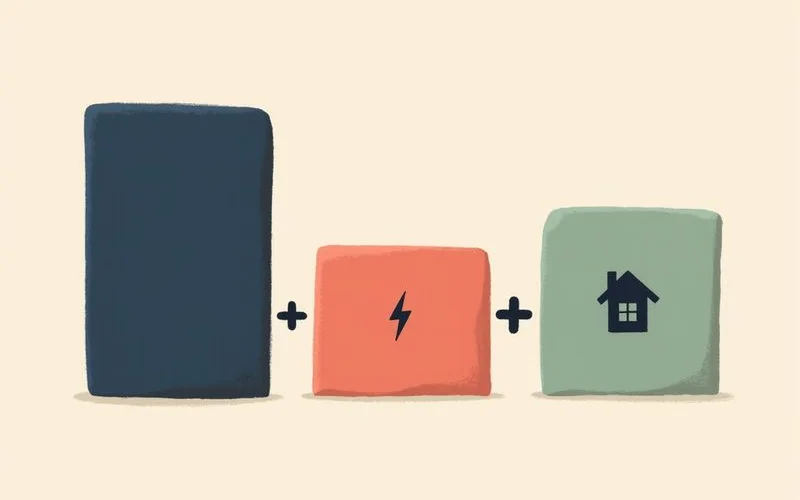
The cap covers your total housing cost: rent plus utilities you pay. If you pay some utilities yourself, the program subtracts a utility allowance from the maximum gross rent.
| Piece | What it means |
|---|---|
| Maximum gross rent | The cap for that tier and unit size |
| Utility allowance | An estimate of tenant-paid utilities, such as electricity |
| Maximum tenant rent | Gross rent cap minus the utility allowance |
So a unit where you pay electricity will usually have a lower maximum rent than an otherwise identical unit with all utilities included. The allowance is an estimate. Your actual bills can be higher or lower, especially during Texas summers.
Rent Limits vs. Actual Asking Rent
The published limit is a ceiling. A property can charge less, and many do, depending on local market conditions. When you see a rent figure, ask:
- Is this the current asking rent for my unit size, or the program maximum?
- Which utilities would I pay?
- Are there required monthly fees on top of rent?
- When was this figure last updated?
Your list shows researched rent for your bedroom size, with the date it was checked and whether it was confirmed with leasing staff or published on the property website.
Other Costs Still Apply
Mandatory fees, like trash, pest control, or technology packages, aren’t part of the rent cap. Neither are pet rent, deposits, or renter’s insurance. Before deciding, total everything up. Our guide on comparing total costs includes a worksheet, and our total monthly cost calculator does the math for you.
Where to Find Official Limits
TDHCA and HUD publish income and rent limits for Texas areas. When you look at a table, check:
- Program. Tax credit (MTSP) limits may differ from other programs’ limits.
- Geography. Use the table for the property’s metro area or county.
- Unit size and tier. Match the bedroom count and AMI percentage.
- Effective year. Use the current year’s table.
Don’t reuse old figures or assume one table fits every community. Properties confirm which limits apply to their units.
Why Rent Can Change
Limits are usually updated each year. When limits rise, a property may raise rents up to the new cap, subject to its lease terms and program rules. Ask how often rents are reviewed and how much notice residents receive.
A Simple Illustration
Using made-up numbers only, here’s how the pieces fit together for one unit:
- The maximum gross rent for a two-bedroom unit at its tier is $1,200 a month.
- Residents pay their own electricity, and the utility allowance for that unit size is $120.
- The most the property can charge for rent is $1,200 minus $120, or $1,080.
- Because of local market conditions, the property actually asks $1,025.
- Add a $40 required trash and pest fee, and your rent plus fees is $1,065.
- Add your real electric bill, which might be $90 in spring and $180 in August.
So the “rent limit” was $1,200, the asking rent was $1,025, and your actual monthly cost ranges from about $1,155 to $1,245. That’s why we focus on total cost rather than any single figure.
Budgeting With Rent Limits
A capped rent is helpful, but it still needs to fit your budget, and many properties also apply a minimum-income rule. Compare the total monthly cost to the budget you shared in your request. Each community confirms its current rents, utility responsibilities, and fees.